



 Georgia
 Japan
Japan Turkey


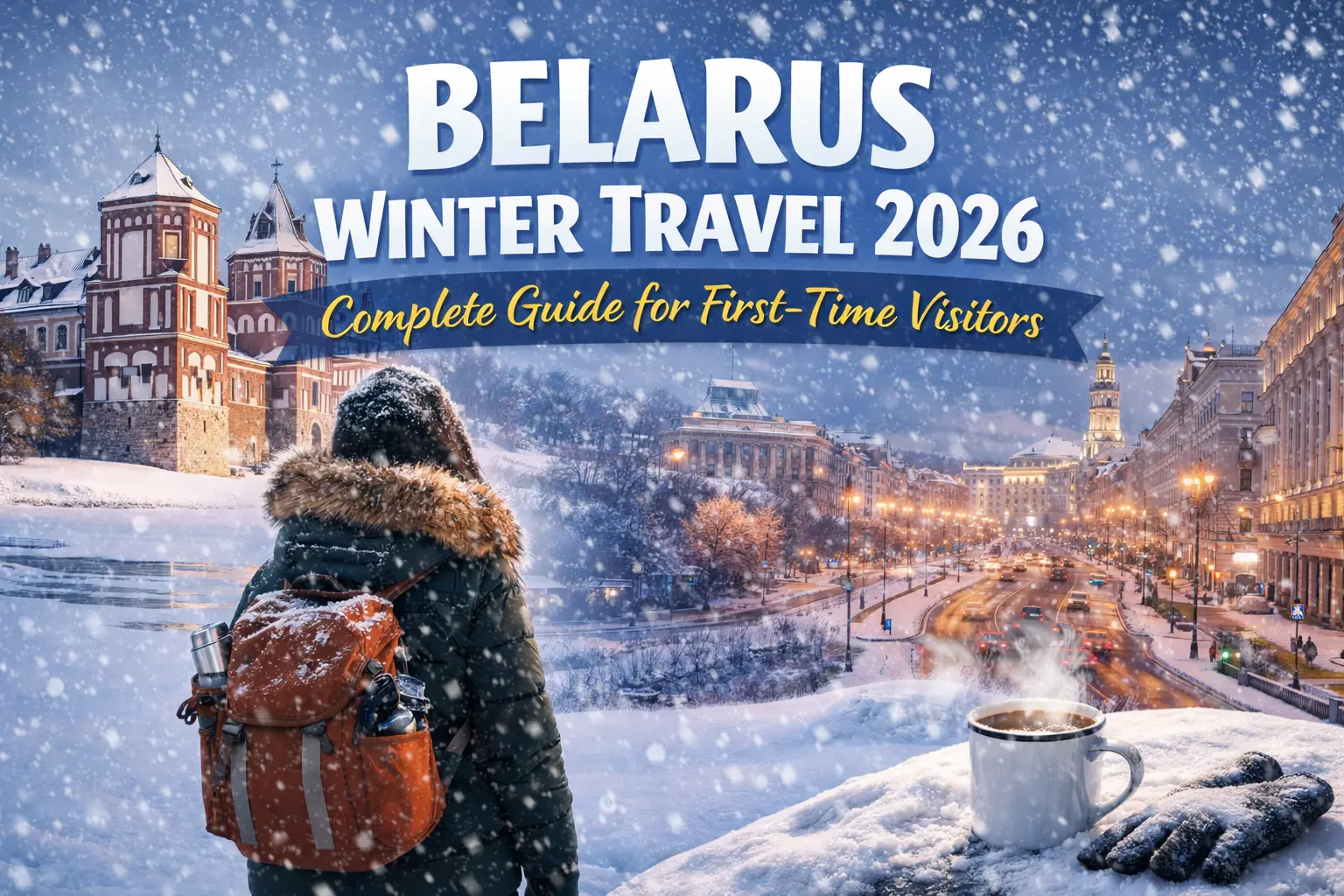
Belarus Winter Travel 2026: Complete Guide for First‑Time Visitors
If you’re planning a cold‑season adventure and looking for a detailed Belarus winter travel guide 2026, you’re already ahead of most travelers. Belarus doesn’t get the same buzz as Poland or Lithuania, but that’s exactly why it’s so fascinating in winter: frozen castles, quiet Soviet‑era boulevards under fresh snow, and almost no tourist crowds. At the same time, it’s a destination where logistics matter a lot—from visas to connectivity—so “winging it” can backfire. In this guide, I’ll walk you through everything I wish I’d known before my first Belarus winter trip, from airport arrivals and train routes to eSIM setup, winter packing, and cultural nuances. We’ll also touch on how a solid understanding of eSIM basics makes Belarus feel far less intimidating the moment you land.
Why Visit Belarus in Winter 2026?
Belarus in winter is not a “checklist” destination; it’s more of a mood. Think long dusks over frozen rivers, steam rising from street food kiosks, and locals wrapped in fur‑trimmed coats chatting on the sidewalk. Temperatures in January and February usually sit between −5°C and −10°C (23°F to 14°F) in Minsk, and it can drop below −15°C (5°F) during cold snaps, especially at night. That sounds brutal on paper, but if you’re properly dressed and take warming breaks in cafes, the cold becomes part of the charm rather than a punishment. In my experience, the crisp air and fewer daylight hours actually push you to slow down, linger in museums, and enjoy long dinners instead of racing around.
Another reason winter 2026 is a good time to go is cost and crowd levels. Belarus remains significantly cheaper than many EU neighbors for accommodation, public transport, and restaurant meals. A decent mid‑range hotel in Minsk might run you US$40–60 per night in winter, and a hearty local meal with a drink can be under US$10 in many spots. Because Belarus is still off the mass‑tourism radar, you rarely have to queue for attractions like the National Library of Belarus or Mir Castle, especially midweek. This means you can actually appreciate the architecture and atmosphere without jostling for space.
Winter also highlights Belarusian traditions you’d miss in summer. Orthodox Christmas (7 January) and Old New Year (14 January) bring seasonal markets, ice rinks, and special performances to cities like Minsk, Grodno, and Brest. You’ll see Ded Moroz (Grandfather Frost) figures, decorated New Year trees, and kids bundled up for sledding in city parks. If you’re curious about Slavic winter culture but don’t want the crowds of Moscow or St. Petersburg, Belarus offers a quieter but still authentic alternative. For travelers who like to dig a bit deeper, this is a chance to see how people actually live and celebrate in the cold months.
Of course, Belarus isn’t a “show up and figure it out at the airport” type of destination, especially in 2026. Visa rules depend heavily on your nationality, some Western cards may not work due to sanctions, and English is not widely spoken outside major hotels and younger circles. That’s exactly why planning things like cash, routes, and connectivity in advance pays off. Having reliable data through a Belarus travel eSIM or similar setup turns what could be a stressful first day—trying to find your Airbnb in the dark, in the snow—into a manageable adventure. If you’ve ever landed somewhere cold, tired, and offline, you know how much difference that makes.
Getting There and Getting Around in Winter
Reaching Belarus in winter 2026 will depend a lot on your starting point and the current political situation, so always double‑check flight routes and entry rules a month or two before departure. Traditionally, most international visitors arrive via Minsk National Airport (MSQ), located about 40 km east of the city. In past winters, there were direct or one‑stop connections from hubs like Istanbul, Dubai, and Moscow, though schedules can shift year to year. When I flew in mid‑winter, my connection through Istanbul landed around 3 p.m., which was perfect: enough daylight to get into the city before the early winter sunset. If you have a choice, aim to arrive before 6 p.m. so you’re not figuring out snow, luggage, and Cyrillic signs in the dark.
From the airport, you have three realistic options: airport bus, shared minibus (marshrutka), or taxi. The airport bus 300Э typically runs to the central bus station near the main train station and takes about an hour, depending on road conditions. Tickets historically have been in the range of 5–7 BYN (roughly US$2–3), so it’s very budget‑friendly. Just be aware that winter delays are common if there’s heavy snow. Taxis are much faster and more comfortable if you’re arriving with big luggage or in sub‑zero temperatures; a ride into central Minsk might cost around 40–60 BYN (US$15–25), but always confirm the price or use a local ride‑hailing app. This is where having data through something like an EasyAlo eSIM—similar to how travelers use a Turkey eSIM for airport arrivals—can save you from awkward negotiations on the curb.
Once you’re in the country, trains are your best friend for intercity travel, especially in winter. Belarusian Railways runs frequent services between Minsk and cities like Brest, Grodno, Vitebsk, and Gomel, and the trains are generally warm, punctual, and inexpensive. For example, a second‑class seat from Minsk to Brest (about 3.5–4 hours) can cost in the ballpark of 20–30 BYN (US$8–12), and you’ll travel through snowy countryside that looks straight out of a storybook on clear days. Overnight trains, where available, can be a cozy way to move between cities without losing daytime sightseeing hours. Buses fill in the gaps for smaller towns, but if the forecast shows heavy snow or ice, I’d prioritize trains whenever possible.
Inside cities, public transport is a mix of metro (in Minsk), trams, trolleybuses, and regular buses. The Minsk metro has just two main lines but covers most areas a visitor will need, and it’s blissfully warm compared to the street outside. Single rides are usually under 1 BYN, and you can buy paper tickets or use contactless methods depending on the system updates by 2026. In heavy snow, trams and trolleybuses can slow down, so factor in extra time when heading to the station or airport. If you’re the type who likes to walk everywhere, remember that sidewalks can be icy even when the streets look clear. I’ve seen more than one traveler slip hard on a seemingly harmless patch of packed snow, so good boots and a slower pace are worth the few extra minutes.
Driving yourself in Belarus in winter is possible, but I usually advise first‑time visitors to skip it unless they have solid snow‑driving experience. Road conditions on main highways are generally decent, but side roads and smaller towns can get icy, and signage is mostly in Cyrillic. Car rental can also involve extra deposits and insurance complexities, particularly with cross‑border restrictions. Instead, consider building your route around train‑accessible cities and using local taxis for short hops. This approach not only reduces stress but also lets you focus on enjoying the scenery instead of worrying about black ice and unfamiliar traffic rules.
Staying Connected: eSIM, Local SIM, and Wi‑Fi in Belarus
For most travelers, figuring out how to get mobile data in Belarus for tourists is just as important as booking a hotel. Winter makes connectivity even more critical: you don’t want to be wandering around in −10°C trying to find your guesthouse because your offline map is out of date. Belarus has several mobile operators—historically names like A1, MTS, and life:)—offering 4G LTE coverage in major cities and along main transport routes. Outside urban centers, speeds can drop, but for messaging, maps, and basic browsing, coverage is usually sufficient. In my experience, the biggest challenge isn’t speed, it’s the initial setup process if you rely only on local SIM cards.
Buying a physical SIM as a foreigner can involve passport registration, language barriers, and sometimes needing to find a specific branded store rather than a generic kiosk. In Minsk, this might be manageable if you arrive during business hours and have the patience to queue, but it’s far from ideal after a delayed evening flight. That’s why many travelers now look for the best eSIM for Belarus winter travel 2026 before they even leave home. An eSIM lets you scan a QR code, download a profile, and be online as soon as your plane lands, much like how EasyAlo customers set up their data plans before ski trips using options such as the France eSIM for Alpine resorts. The key advantage is that you avoid hunting for shops in the cold and can call your accommodation or hail a ride immediately.
When comparing a Belarus travel eSIM to traditional roaming from your home carrier, the cost difference can be dramatic. Many European and North American carriers still charge US$8–15 per day for international data roaming, which adds up quickly on a week‑long trip. A dedicated regional or Belarus‑compatible eSIM plan often gives you a fixed data allowance—say 3, 5, or 10 GB—for a fraction of that price, and you can top up if needed. For a typical 5–7 day winter city break using Google Maps, WhatsApp, Telegram, some social media, and the occasional YouTube clip, I’d plan on at least 5 GB of data. If you’re a heavier user, especially uploading lots of video in 4K, aim closer to 10 GB to avoid rationing.
Wi‑Fi in Belarus is decent but not something I’d rely on exclusively. Most mid‑range hotels and hostels offer free Wi‑Fi, and many cafes in Minsk, Brest, and Grodno will give you a password with your order. Speeds vary a lot; I’ve had 50 Mbps in one coffee shop and barely enough to load a map in another just a few blocks away. Public Wi‑Fi in malls or train stations can be useful in a pinch but may require SMS verification to a local number, which you won’t have if you’re only using your home SIM. This is another argument for having your own data connection. If you’re a remote worker considering short‑term Belarus digital nomad travel, bring backup options like downloaded work files and offline tools, and don’t count on perfect video‑call quality from every cafe.
Setting up an eSIM for Belarus follows the same basic steps as for other destinations, and it’s worth doing it while you’re still at home on solid Wi‑Fi. You purchase your plan, receive a QR code by email, and then go into your phone’s mobile settings to add a new eSIM or mobile plan. Once installed, you can keep your home SIM active for calls and SMS but set the eSIM as your primary data line, with data roaming enabled only for the eSIM. This is similar to the process described in EasyAlo’s step‑by‑step eSIM setup guide, and it means that when you land in Minsk, your phone will automatically connect to a supported local network. No scrambling for kiosks, no surprise roaming charges, and you can pull up your hotel address before you even reach passport control.
Top Winter Cities and Experiences in Belarus
When people think about Belarus winter cities to visit, Minsk is the obvious starting point, but it’s far from the only option. Minsk in winter feels like a mix of Soviet architecture, modern cafes, and pockets of pre‑war charm. Start with Independence Avenue (Praspekt Nezalezhnastsi), where wide boulevards and monumental buildings are often dusted with snow. The Upper Town (Verkhny Gorod) around the city hall and Holy Spirit Cathedral is especially atmospheric at dusk when lights reflect off the snow. If you’re around for New Year or Orthodox Christmas, check out the main city Christmas tree and ice rink, which in recent years have been set up near October Square or other central spots. A ride on the Minsk metro just to see the chandeliers and mosaics in stations like Ploshcha Lenina is also worth a quick detour.
Beyond Minsk, Grodno is one of the most charming cities in Belarus, particularly for first‑time visitors who enjoy walkable old towns. Located near the borders with Poland and Lithuania, Grodno’s historic center is compact and full of Baroque churches, colorful facades, and river views. In winter, the Old Castle and New Castle look especially dramatic against a snowy backdrop, and the hilly streets give you some lovely vantage points over the Neman River. Because Grodno is smaller than Minsk, it’s easier to get a feel for local life in a couple of days: think evening strolls along Sovetskaya Street, hot drinks in small cafes, and maybe a performance at the local drama theater if your Russian is up to it. Even if it’s your first trip, you’ll quickly understand why many travelers list Grodno as their favorite Belarusian city.
Brest, on the western edge of the country, is another excellent winter stop, especially if you’re interested in 20th‑century history. The Brest Fortress, a key site from World War II, is open year‑round and takes on a stark, haunting beauty in the snow. Dress warmly and allow at least half a day to walk through the complex, visit the main memorials, and step inside the museum if it’s particularly cold. Back in the city, Sovetskaya Street is pedestrianized and lined with shops and restaurants, and in the evenings you might catch the famous lamplighter who still lights the old‑fashioned gas lamps by hand. A 2–3 day stay in Brest pairs well with a few days in Minsk, with comfortable trains connecting the two cities even in mid‑winter.
If you’re looking for something more rural, consider a day trip or overnight to Mir and Nesvizh, home to two of Belarus’s most famous castles. Mir Castle, a UNESCO World Heritage Site, looks like it was built for winter postcards when its red‑brick towers are dusted with snow and the surrounding lake is frozen. Nesvizh Castle, with its yellow walls and courtyards, is equally impressive and offers indoor exhibits that make for a good cold‑weather activity. Tour buses sometimes combine both in a single long day from Minsk, but in winter I prefer splitting them or at least being realistic about shorter daylight hours and possible road delays. Having offline maps and a working data connection—set up the same way you’d prep for remote areas when skiing in Asia with something like an eSIM‑ready China ski trip—gives you more flexibility if you miss a bus or need to adjust plans.
Finally, if you’re curious about nature, Belarus has extensive forests and national parks that can be magical in winter, though they require more planning. Places like Belovezhskaya Pushcha National Park, shared with Poland, offer the chance to see European bison and walk through ancient woodland. In winter, trails can be snowy or icy, and services may be reduced, so always check opening hours, transport schedules, and safety advice in advance. Guided tours from larger cities can be a good option if you’re not comfortable navigating on your own in sub‑zero temperatures. As always, good boots, layered clothing, and a fully charged phone with reliable data are your best allies when you’re away from urban comforts.
Practical Basics: Money, Language, Safety, and Etiquette
One of the most important parts of any Belarus travel guide for first time visitors is understanding how money works on the ground. The local currency is the Belarusian ruble (BYN), and cash is still widely used, especially in smaller towns and at markets. In Minsk and other major cities, you’ll find ATMs in shopping centers, metro stations, and bank branches, and they usually offer an English interface. However, due to shifting sanctions and banking restrictions, some foreign cards—especially from certain Western countries—may not work reliably. I strongly recommend bringing at least two different cards (ideally from different providers like Visa and Mastercard) and a backup stash of euros or US dollars that you can exchange if needed. Don’t rely on contactless payments alone, even if you’re used to tapping your phone for everything at home.
Language is another area where a little preparation goes a long way. The main languages in Belarus are Russian and Belarusian, with Russian dominating in most urban interactions. English is spoken by some younger people and those working in international‑facing businesses, but you shouldn’t count on it in everyday situations like buying bus tickets or asking for directions. Before your trip, learn a few key phrases in Russian—hello (zdravstvuyte), thank you (spasibo), excuse me (izvinite)—and install a translation app that works offline. I’ve had multiple situations where showing a translated sentence on my phone instantly solved a confusing ticket purchase or restaurant order. This is another moment where reliable Belarus mobile data for tourists helps; even if you’ve downloaded offline packs, having live translation and the ability to look up place names in Cyrillic can save you from awkward misunderstandings.
In terms of safety, Belarus is generally considered safe for travelers in terms of street crime, especially in central areas of major cities. That said, common‑sense precautions still apply: keep valuables out of sight, don’t flash large amounts of cash, and avoid poorly lit areas late at night. Political demonstrations or gatherings can occur, and as a visitor, it’s wise to stay away from any protests or politically sensitive events. Always check your government’s latest travel advisories before you go, as recommendations can change rapidly. If you’re moving around late at night in winter, consider using licensed taxis or ride‑hailing apps instead of long walks on icy sidewalks.
Cultural etiquette in Belarus is fairly straightforward but has a few nuances that first‑time visitors sometimes miss. People can seem reserved at first and may not smile as much as you’re used to in casual interactions, but that doesn’t mean they’re unfriendly. Once a conversation starts, especially over food or tea, many Belarusians are warm and curious about visitors. When entering someone’s home, it’s customary to remove your shoes; in some smaller guesthouses, you might be offered slippers. In restaurants, tipping around 5–10% is appreciated if service isn’t already included. If you’re invited to drink, especially vodka, understand that toasts and rounds can be taken seriously; it’s perfectly acceptable to decline politely if you don’t want to overdo it, especially when you’re navigating icy streets afterward.
One more practical point: registration requirements. In previous years, foreigners staying more than a few business days had to register their stay with the authorities, often handled automatically by hotels. Rules can evolve, so always ask your accommodation to confirm what’s needed for your specific length of stay and visa type in 2026. If you’re staying in an apartment or with friends, you may need to handle registration yourself, which can involve online portals or visits to local offices. This is another situation where having constant connectivity—set up similarly to how travelers rely on regional data plans such as an Italy eSIM while sorting paperwork abroad—helps you navigate forms, translations, and addresses without panic.
Belarus Winter Packing List and Cold‑Weather Survival Tips
Let’s talk about gear, because underestimating the cold is probably the number one mistake I see in any Belarus winter travel guide for first time visitors. The temperatures themselves are only half the story; wind chill and humidity can make −5°C feel much colder, especially if you’re standing still at a bus stop or exploring an exposed fortress. The key is layering. Start with a moisture‑wicking base layer (merino wool or good synthetic) on both top and bottom, add an insulating mid‑layer like a fleece or light down jacket, and then finish with a windproof, waterproof outer shell. For the lower half, thermal leggings under jeans or lined trousers make a world of difference. I’ve walked around Minsk comfortably at −12°C with this setup, while other travelers in just jeans and a “fashion coat” were visibly miserable after twenty minutes.
Footwear is just as critical. You want insulated, waterproof boots with good traction, ideally rated for at least −15°C and tested on ice. City streets can look cleared but still have hidden patches of black ice, especially near curbs and crosswalks. Wool or thermal socks are non‑negotiable; bring several pairs, as they can take time to dry if they get damp. For your hands, pack two sets of gloves: a thinner touchscreen‑friendly pair for quick tasks like using your phone, and a thicker insulated pair for longer walks or outdoor sightseeing. A warm hat that covers your ears, plus a scarf or neck gaiter, will help more than you think, particularly when the wind picks up along wide boulevards or open squares.
Beyond clothing, there are a few smart extras that experienced cold‑weather travelers swear by. Hand warmers—either disposable packets or rechargeable models—can be lifesavers when you’re waiting for a delayed tram or exploring an outdoor market. A small thermos for hot tea or coffee is surprisingly useful; many apartment rentals have kettles, so you can fill it before heading out. Lip balm and a good moisturizer protect against dry, cold air, which can crack skin in just a couple of days if you’re not used to it. Sunglasses might sound odd for winter, but snow glare on bright days can be intense, especially if you’re out in open areas or visiting castles with white surroundings.
Your tech setup deserves winter‑specific planning too. Cold weather drains batteries faster, sometimes by 20–30% compared to normal conditions. Keep your phone and power bank in an inside pocket close to your body heat rather than in an outer backpack pocket. Download offline maps for Minsk and any other cities you’ll visit, but also keep your Belarus travel eSIM active so you can reroute quickly if a bus is canceled or a street is unexpectedly blocked. It’s the same principle that makes a reliable data plan essential for other cold‑weather destinations, like travelers heading to Lapland who rely on an eSIM for Finland’s far north to check aurora forecasts.
Finally, build “warm‑up breaks” into your daily schedule. Shorter winter days and the constant temperature shock of going from heated interiors to freezing exteriors can be surprisingly tiring. Instead of planning back‑to‑back outdoor sights, alternate between indoor and outdoor activities. For example, spend an hour walking around the Upper Town, then duck into a cafe for hot chocolate and a pastry, then visit a museum, then another short walk. If you’re traveling with kids or anyone not used to real winter, this rhythm keeps everyone happier and healthier. Listen to your body; if your feet go numb or your face starts to sting painfully, it’s time to head indoors, no matter how photogenic the snow looks.
When to Go: Best Winter Months and Holiday Periods
Winter in Belarus effectively runs from late November through early March, but not all months are equal. If you’re aiming for that classic snowy cityscape without the harshest cold, mid‑December to mid‑January is often a sweet spot. Snow cover is likely, festive decorations are up, and there’s a good chance of ice rinks and holiday markets in Minsk and other major cities. Around New Year (31 December to 1 January) and Orthodox Christmas (7 January), you’ll find more events, special menus, and family gatherings in public spaces. The flip side is that some services may run on holiday schedules, and certain museums or shops could have shorter hours, so always check specific dates.
Late January and February tend to be the coldest months, with temperatures regularly dipping below −10°C at night and cold snaps that can feel brutal if you’re underdressed. On the other hand, this is when you’re most likely to see deep snow and frozen rivers, which can be stunning if you’re into photography or just love winter landscapes. Tourist numbers are low, meaning quieter trains, more hotel availability, and potentially better rates. If you’re comfortable with serious cold and have the right gear, this period can be incredibly rewarding. Just make sure your day‑by‑day plans are flexible enough to adapt to storms or extreme cold warnings.
Early March is a bit of a wildcard. Some years, winter hangs on with slushy snow and grey skies; other years, you’ll get a hint of spring with melting snowbanks and slightly longer days. This shoulder period can be less picturesque but more comfortable temperature‑wise, with daytime highs sometimes hovering around 0°C to +5°C (32–41°F). Prices remain reasonable, and you’ll still avoid the busier summer season when domestic tourism picks up. If your main goal is cultural exploration—museums, cafes, architecture—rather than specific winter activities like ice skating on outdoor rinks, early March can work well.
One thing to keep in mind is daylight. In late December, Minsk gets roughly 7 hours of daylight, with sunrise around 9 a.m. and sunset around 4 p.m. By late February, you’ll have closer to 10 hours, which makes a noticeable difference in how much you can comfortably fit into a day. Plan your outdoor sightseeing during the brightest hours and save indoor activities for early mornings or evenings. Also consider your arrival and departure times: landing at 10 p.m. on an icy January night is a very different experience than arriving at 2 p.m. with some daylight left to orient yourself.
Finally, think about how your connectivity and data needs might change with the season. Shorter days and more time spent indoors often mean more time on your phone—uploading photos, messaging friends, or streaming content in the evenings. If you’re used to summer trips where you’re offline for long stretches at the beach, a winter city break might actually increase your data usage. This is similar to patterns EasyAlo sees with travelers on urban getaways, like those comparing Mexico eSIM city breaks versus more offline beach weeks. When you pick your Belarus‑compatible eSIM plan, consider that you might be scrolling and streaming a bit more than usual once it gets dark at 4 p.m.
Connectivity Strategy for 2026: Putting It All Together
By now you’ve probably noticed a theme: in Belarus, especially in winter, having a solid connectivity plan removes a lot of friction. The question many travelers ask is, “Do I need a local SIM card in Belarus or is eSIM enough?” For most first‑time visitors in 2026, an eSIM‑first approach is the most practical. Install your Belarus‑compatible eSIM profile at home, keep your physical SIM from your home country in the phone for receiving SMS (like bank codes), and disable data roaming on that home line. Then, set the eSIM as your primary data line. This way, you get local‑style data pricing without losing access to your usual number for important messages. It’s the same basic strategy that works for other trips, whether you’re heading to Southeast Asia with an Indonesia eSIM for island‑hopping or exploring multiple European capitals.
Before you buy anything, check two things: that your phone is carrier‑unlocked and that it supports eSIM. Most iPhones from the XS onward and many recent Samsung Galaxy and Google Pixel models handle eSIM without issues, but it’s still worth confirming in your settings under “Add eSIM” or “Add mobile plan.” If your device doesn’t support eSIM, your fallback is either a physical local SIM (with the registration hurdles we discussed) or a portable Wi‑Fi hotspot. Hotspots can work, but they add another battery to manage and another device to keep track of when you’re bundled up in layers and gloves. For winter travel, simplicity matters; having connectivity built into your phone is much easier when you’re pulling it out with cold fingers on a windy street corner.
Next, think realistically about your data usage. If you’re the type who mostly uses data for maps, messaging, and looking up restaurant reviews, a 3–5 GB plan might be enough for a week. If you like to upload high‑resolution photos daily, stream music while walking, or make frequent video calls back home, consider 10 GB or more. Remember that cold weather drains batteries faster, which can tempt you to use your phone more sparingly; at the same time, long evenings indoors might lead to extra streaming. I’ve had winter trips where I used less data than expected because I was offline in museums most of the day, and others where I burned through my allowance quickly because I was navigating constantly in unfamiliar neighborhoods. When in doubt, choose a plan that allows easy top‑ups rather than the absolute minimum.
Finally, treat your connectivity setup as part of your pre‑departure checklist, just like visas and insurance. A week before your flight, confirm your device compatibility, purchase your chosen Belarus‑ready eSIM, and install the profile on your phone while you’re on reliable home Wi‑Fi. Test that it appears correctly in your mobile settings, but don’t worry if it shows “No service” until you land in Belarus—that’s normal. On departure day, double‑check that data roaming is disabled on your home SIM and enabled on the eSIM, and keep a printed or offline copy of your hotel address in case anything goes wrong. With this approach, you’ll step off the plane in Minsk already connected, ready to order a taxi, message your host, or pull up your saved winter walking route, instead of trying to troubleshoot in the arrivals hall.
Conclusion: A Cold Destination That Warms Up Fast
Belarus in winter 2026 isn’t the easiest destination in Europe, but that’s exactly what makes it memorable. If you’ve read this far, you already know that a successful trip is less about chasing a checklist of sights and more about understanding how the country works: the visa quirks, the icy sidewalks, the shorter days, and the quiet beauty of cities like Minsk, Grodno, and Brest under snow. With the right layers, a realistic itinerary, and an eye for small details—like where to warm up with borscht in the afternoon or how to say “thank you” in Russian—you’ll find that Belarus rewards curiosity and patience. It’s the kind of place where a simple tram ride through a snowy neighborhood can feel as meaningful as a big‑ticket attraction.
From a practical standpoint, your connectivity plan is one of the most powerful tools you have to turn potential stress into smooth travel. A well‑chosen Belarus travel eSIM means that when your train is delayed, your bus route changes, or you decide on a whim to detour to a castle, you’re not stuck offline in the cold. Instead, you can rebook, reroute, and reconnect in a few taps, just as easily as travelers do in more familiar destinations like the UK with a dedicated United Kingdom eSIM for city breaks. Combine that digital safety net with solid winter gear, a bit of language prep, and a flexible mindset, and Belarus stops feeling intimidating and starts feeling like a genuine discovery.
If Belarus has been on your radar but you weren’t sure how to handle the cold or the logistics, consider this your green light—with the caveat that preparation matters. Start by checking your phone’s eSIM support, planning your route between a few key cities, and building a packing list that respects −10°C as more than just a number on a screen. Do that, and your Belarus winter travel 2026 won’t just be manageable; it’ll be one of those trips you talk about for years, when someone asks you where to go that still feels a little bit undiscovered.